How Did Prevention and Early Intervention Fare in the 86th Texas Legislature?

DID YOU KNOW?

  • Four children die from abuse/neglect each week, and 80 percent of victims are 3 years of age and younger.
  • 181 children are confirmed as abused/neglected every day, and the highest rates occur in children under age 5.
  • Evidence-based home visiting programs can reduce child maltreatment by up to 48 percent and have a positive return for each dollar invested.
  • Currently, only 3.5% of families with the highest need have access to proven prevention programs.

Welcome to the second part of our look at how child protection legislation fared in the 86th Texas Legislature. We began this series in May with our top-priority bills. This begins the first of three deeper dives into specific subject areas. This post is about Prevention and Early Intervention legislation; it will be followed by Child Protection Systems and will conclude with Mental Health and Trauma.

Prevention and Early Intervention Background

The Adverse Childhood Experiences (ACEs) Study – as well as decades of subsequent, validated research – has made clear that the impact of severe childhood adversities, including child maltreatment, is a public health crisis.

In the absence of supportive relationships and environments, chronic and compound ACEs increase the likelihood of negative behavioral, educational, health and economic outcomes. Prevention strategies can reduce the prevalence and impact of ACEs and increase a child’s opportunity for cognitive and emotional development, productivity, health, and economic wellbeing.

Prevention efforts fall across a spectrum that includes:

Primary
Primary prevention focuses on reaching families before the first occurrence of child maltreatment.
Secondary
Secondary prevention focuses on efforts to prevent maltreatment among families considered to be at high risk.
Tertiary
Tertiary prevention focuses on mitigating the negative effects and prevent re-occurance in families where maltreatment has already occurred.

Evidence-based in-home parenting programs (known as home visiting) have proven to be the most effective and efficient model for prevention. These programs connect expectant and new parents who enroll voluntarily with a trained nurse, social worker, or early childhood specialist who promotes health, child development, parenting skills, education, and employment. By intervening to prevent adversity and build resilience during a child’s most critical years of neurodevelopment, in-home parenting programs impact outcomes across multiple domains and generations.

Evidence-based programs currently operating in Texas include AVANCE, Early Head Start, Family Connects, Healthy Families America, Home Instruction Program for Preschool Youngsters, Nurse-Family Partnership, Nurturing Parenting, Parents as Teachers, SafeCare, Systematic Training for Effective Parenting, and Triple P- Positive Parenting Program.

While some communities have been able to initiate programs with private and/or local funds, most in-home parenting programs implemented in Texas are funded through the Prevention and Early Intervention Division at the Department of Family and Protective Services. In 2018, funding was available to provide approximately 16,000 families with evidence-based in-home parenting support; however, 423,000 families in Texas have young children and three or more risk factors. Our goal is to continue working until many more of those families can access these beneficial programs.

ACEs and trauma do not dictate the future of a child. Children with protective factors (e.g. healthy attachment to parents, access to community resources, and supportive school and home environments) can build the resilience needed to thrive despite adversity. Evidence-based and effective solutions can strengthen families and help ensure that children start with a secure foundation of health and safety.

prevention in the 86th texas legislature

Top-Priority Bills passed

House Bill 1 – The General Appropriations Act

Champions – Sen. Jane Nelson and Rep. John Zerwas

In response to research, federal initiatives, and best practices, the landscape around prevention funding has changed within the past couple decades. The ACEs research makes clear the public health ramifications of severe adversities in childhood. Emerging brain science continues to demonstrate the importance of the development that happens in the first five years of a child’s life. This has created new urgency and a growing and diverse group of stakeholders who are invested in improving access to proven programs. The federal Family First Prevention Services Act demonstrates an increasing prioritization by the federal government in programs that provide evidence-based services to ensure that, when possible, children can remain safely at home. Protecting a child’s development by strengthening families to increase resilience and protective factors, and empowering communities to offer needed supports before a crisis occurs, have become the clear path forward.

Each session, TexProtects prioritizes increased investments in primary, evidence-based in-home parenting programs. Despite cuts to the Health and Human Services budget overall, the Legislature included funding to maintain Project HOPES (Healthy Outcomes through Prevention and Early Support) and the Nurse-Family Partnership (NFP) Programs and appropriated an additional $4.3 million to expand those programs.

Evidence-Based Prevention 2020-21 Base Budget Additional Investment
HOPES $39.9 million General Revenue/All Funds $1.5 million
NFP $30.2 million All Funds ($5.6 million General Revenue) $2.9 million
Total $70.1 million All Funds $4.3 million

Healthy Outcomes Through Prevention and Early Support (HOPES) is a prevention approach developed to be a flexible and community-based solution to child abuse and neglect in high-risk counties by increasing protective factors of families served. It is currently serving families in 55 counties with children ages 0-5 at risk for child abuse and neglect. The evidence-based programs chosen by the communities each have proven positive outcomes across multiple domains and returns on investment that range from $1.26 to $8.08.

The Nurse-Family Partnership Program is an evidence-based, community health approach with over 40 years of evidence currently serving families in 43 counties. NFP works by having specially trained nurses regularly visit young, first-time expectant moms and fathers, starting early in the pregnancy, continuing through the child’s second birthday. For every dollar invested, there is a return on investment of $5.70 including savings on medical care, child welfare, special education, and criminal justice.

Senate Bill 355

Champions – SEN. ROYCE WEST AND REP. STEPHANIE KLICK

SB 355 directs the Department of Family and Protective Services to develop a strategic plan to leverage federal funds made available through the Family First Prevention Services Act to increase access to mental health care, substance use treatment and in-home parenting programs that can prevent child maltreatment and keep children with their families. This will result in cost savings to the state and better outcomes for Texas children. For the first time, federal dollars previously only available for children in the foster care system will be made available to fund evidence-informed and community-based early interventions so that children can remain safely at home when possible rather than placing them in foster care. These prevention strategies address key drivers of child abuse and neglect: substance use, mental health issues, and parenting skills. Such services build on the knowledge that most children can be safely protected and remain within their own homes when parents are equipped with appropriate support and opportunities to care for their children.

SB 708

Champions – Sen. judith zaffirini and rep. john Raney

SB 708 requires the Health and Human Services Commission to use existing procedures to collect, make publicly available, and report to the Legislature data on child safety in licensed child-care centers. Data must include violations that impact the health, safety, and well-being of children as well as information on the number of children and caregivers in each classroom. This data will allow lawmakers, providers, and parents to make better decisions to ensure the safety of children in care.

TexProtects Goal – Provide training to promote prevention and early intervention

HB 111 – Rep. mary Gonzáles / sen. pat fallon

HB 111 requires that existing child abuse training for school staff must also include information on students with significant cognitive disabilities. Persons with disabilities are victimized at much higher rates than those without disabilities and are much less likely to report abuse.

HB 403 – rep. senfronia thompson / sen. joan huffman
HB 403 requires that the board of trustees and superintendent of a public school district complete one hour of training on identifying and reporting potential victims of sexual abuse, human trafficking, and other maltreatment of children every two years.
HB 2059 – Rep. Cesar Blanco / Sen. Larry Taylor
HB2059 equips health care practitioners who provide direct patient care with the training needed to help detect potential victims of human trafficking and provide them with adequate care, including referring them to additional support services. Ensuring that health care providers are knowledgeable and adequately prepared is vital in combating human trafficking in Texas. Approximately 80 percent of human trafficking victims are women, and health care providers are often the first professionals to have contact with trafficked women and girls.

TexProtects Goal – Improve Maternal and Newborn Healthcare

HB 25 – Rep. Mary Gonzáles / Sen. Judith Zaffirini

HB25 creates a pilot program to allow pregnant and postpartum women utilizing the Medicaid medical transportation program to travel with their children to pregnancy-related appointments. Women enrolled in the STAR Medicaid managed care program during pregnancy or after delivery often miss prenatal or postpartum appointments because the medical transportation service program does not provide an option for women to bring their children along with them to appointments. This pilot could increase access to health care during this critical time for mom and baby.

HB 253 – Rep. Jessica Farrar / Sen. Lois Kolkhorst
HB253 requires the Health and Human Services Commission (HHSC) to develop and implement a recurring five-year strategic plan to improve access to postpartum depression screening, referral, treatment, and support services. Postpartum depression (PPD) affects 1 in 9 mothers nationally, according to the Centers for Disease Control. PPD can affect a mother’s capacity to attach and interact with her child. This can disrupt healthy development and family functioning. Depression is treatable and most mothers improve with access to adequate support.
HB 405 – Rep. Ina Minjarez / Sen. Lois Kolkhorst
HB405 designates June as Neonatal Abstinence Syndrome (NAS) Awareness Month.Neonatal Abstinence Syndrome (NAS) is a group of conditions caused when babies withdraw from certain drugs that they have been exposed to before birth. Rates of NAS in Texas increased by more than half between 2010 and 2015. This bill would increase public awareness and access to information and resources to decrease stigma and encourage mothers to seek help.
HB 1576 – Rep. Dade Phelan / Sen. Dawn Buckingham
HB1576 allows the Health and Human Services Commission (HHSC) and Medicaid managed care organizations to contract with transportation network companies (TNCs) and transportation vendors such as Uber and Lyft for the delivery of nonemergency medical transportation. The medical transportation program currently provides non-emergency transportation services to and from covered health care services — based on medical necessity — to recipients under Medicaid, the children with special health care needs program, and indigent cancer patients program who have no other means of transportation. This would increase options and flexibility and decrease the use of emergency medical transportation resources for non-emergency transport.
HB 1651 – REP. MARY GONZÁLES / Sen. Carol Alvarado
HB1651 requires the Commission on Jail Standards to prohibit the use of restraints for women who are incarcerated during pregnancy and 12 weeks postpartum unless clearly required for the health and safety of the mother or staff. Shackling pregnant inmates is banned in Texas state prisons and was recently outlawed at the federal level. This bill extends the same protection to the inmates of our state’s county jails. The bill also requires an annual report on any use of restraints on pregnant and post-partum women.
SB 436 – Sen. Jane Nelson / Rep. Four Price

SB436 requires the Department of State Health Services (DSHS) to collaborate with the Maternal Mortality and Morbidity Task Force to develop and implement initiatives to improve screening and continuity of care for women with opioid use disorder, as well as newborns with neonatal abstinence syndrome, while increasing access to medication-assisted treatment and decreasing the number of opioids prescribed before, during, and following delivery. A report on these initiatives is due to the legislature by December 2020.

SB 748 – Sen. Lois Kolkhorst / Rep. Sarah Davis
SB748 would create a general revenue dedicated account to fund newborn screenings conducted by the Department of State Health Services (DSHS). The public health laboratory at DSHS tests 400,000 infants per year for 53 disorders or medical conditions. Dedicated funds could be used to maintain the lab and add additional screenings to the panel to meet federal requirements.
SB 750 – Sen. Lois Kolkhorst / Rep. Eddie Lucio III
SB 750 seeks to maximize Texas’ efforts to address maternal mortality as detailed by the Health and Human Services Commission’s report, State Efforts to Address Materna Mortality and Morbidity in Texas, by improving access to healthcare during the prenatal and postpartum period for women enrolled in the Healthy Texas Women Program. This bill also renames the Maternal Mortality and Morbidity Task Force as the Texas Maternal Mortality and Morbidity Review Committee and extends its work until 2027.

TexProtects Goal – Increase Access to High-Quality Early Care and Education

HB 3 – Rep. Dan Huberty / Sen. larry Taylor
HB 3 creates an early education allotment to fund full-day Pre-k for eligible students, provides additional funding for districts with high concentrations of poverty, increases funding per student, and provides funding for extended summer instruction.
HB 680 – Rep. Joe Deshotel / Sen. Kirk Watson
HB 680 requires the Texas Workforce Commission to assess and report the information on the quality and types of childcare being used by families receiving childcare subsidies. This information will include the average cost of childcare and the total number of providers and children participating in the state’s quality rating system, Texas Rising Star. The Texas Workforce Commission (TWC) administers a federal program that provides childcare subsidies to low-income families so their parents can work or attend workforce training. The data collected can help decision makers better improve access to high quality care.
SB 1679 – Sen. Royce West / Rep. John Turner
SB 1679 authorizes children at the age of three who were eligible for enrollment in a free Pre-k class to remain eligible for enrollment for the following school year. This will eliminate confusion and the burden on families that can result in children not being enrolled.

TexProtects Goal – Increase Safety for Children in Childcare

SB 568 – Sen. Joan Huffman / Rep. Greg Bonnen
SB568 transfers certain regulatory authority over childcare facilities and family homes from the Department of Family and Protective Services (DFPS) to the Health and Human Services Commission (HHSC). The bill creates a safety training account of dedicated funds, requires liability insurance unless it is cost-prohibitive, and establishes safe sleeping standards. A family home is a caregiver who provides regular care in their own residence for six or fewer children who are younger than 14, excluding children who are related to the caretakers.
SB 569 – Sen. Joan Huffman / Rep. Greg Bonnen
SB569 transfers regulatory authority for listed family homes from the Department of Family and Protective Services (DFPS) to the Health and Human Services Commission (HHSC). The bill requires HHSC to adopt minimum standards for listed family homes, requires liability insurance unless it is cost-prohibitive, and requires certain training like safe sleep training. The bill requires the HHSC to inspect listed family homes whenever the commission receives a complaint. Listed family homes are adult caregivers that provide care in their own home for compensation for up to three children unrelated to the caregiver.
SB 706 – Sen. Kirk Watson / Rep. Bobby Guerra
SB706 requires there be an investigative unit within the childcare licensing division at the Health and Human Services Commission to identify childcare facilities operating without a license, certification, registration, or listing and initiate appropriate enforcement actions against those facilities.

Missed opportunities for prevention and early intervention

Cross Sector Collaboration to Prevent Adverse Childhood Experiences

Research conducted by the Centers for Disease Control, the National Institutes of Health, the American Academy of Pediatrics, and others has made clear that ACEs are prevalent and can have lifelong consequences on health and behavior. Currently, prevention efforts in Texas are spread across multiple agencies. Communities do not have access to the informaiton and resources they need to make strategic decisions toward safer and healthier families. HB 4183 would have facilitated a cross-agency strategic planning process to better coordinate statewide data and initiatives and give communities a better toolkit for providing services that can strengthen families and prevent trauma. The bill passed in the House but not in the Senate.

Strengthen ECI

Early Childhood Intervention (ECI) is a statewide program within the Texas Health and Human Services Commission for families with children from birth up to age 3 who have developmental delays, disabilities, or certain medical diagnoses that may impact development. ECI services recipients can access needed therapies and be school-ready. The agency made a $72 million request for the funds needed to keep ECI sustainable; however, the budget appropriated only $31 million. HB 12 would have strengthened the ECI program by addressing prior authorizations, requiring health benefit plans to cover services, and creating a tele-health pilot and  ombudsman office. The bill passed the House but did not move in the Senate.

Extend Medicaid Coverage for Women Postpartum

Texas has the nation’s worst uninsured rate for kids AND the nation’s worst uninsured rate for women of childbearing age — with often devastating consequences for moms and babies. Extending Medicaid coverage for women postpartum up to 12 months post-child birth would have addressed the first recommendation from the state’s Maternal Mortality and Morbidity Taskforce; however, the issue faced significant challenges prior to House passage and was not referred to committee in the Senate.

Strategically Expand Proven Prevention Programs

While we are relieved to see continued investment in evidence-based child abuse prevention programs, we still have a long way to go. HB 1549 in the 85th legislative session directed the department to develop a plan to take these programs to scale in order to impact statewide outcomes. Current investments are only providing services to 3.5% of those families in highest need. In order to move the needle, Texas needs to make strategic investments that outpace population growth and inflation and can move us toward a reality in which at least 30% of families in need have access to services.
‘Be There’ – A Father’s Day Conversation With Rep. James Frank

Happy Father’s Day!

Today is that day when all over the nation, we salute the men who guided and nurtured us – and perhaps are still doing so.

We salute all the dads. Maybe he’s the one who has been with you since birth; maybe he’s a stepdad, uncle or grandfather who has stepped into the dad role; maybe he’s a foster or adopted father.

In that spirit, we sat down for chat with a state leader who has been through joys and trials of two of those forms of fatherhood.

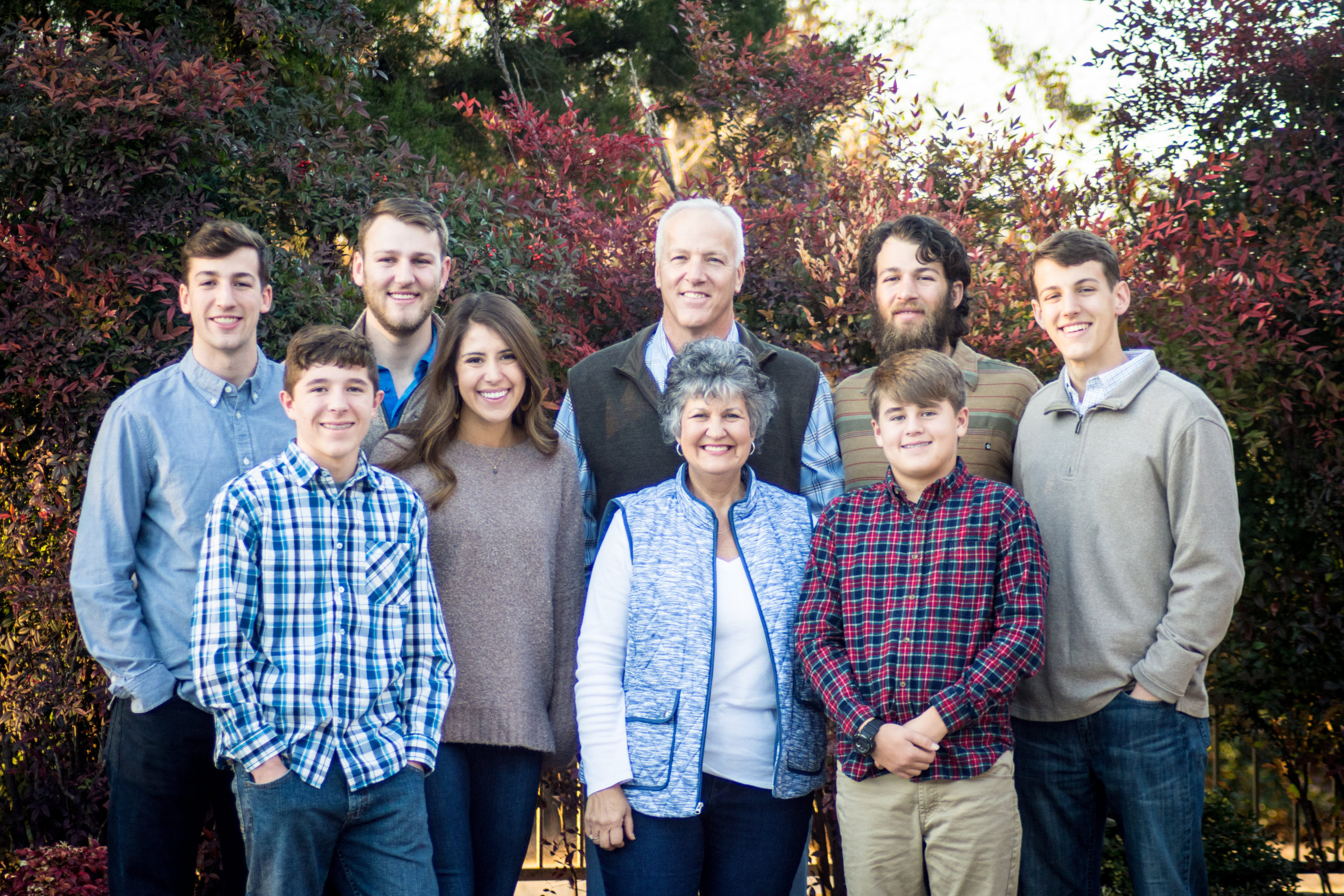
Texas State Representative James Frank of Wichita Falls has put in a lot of time as a father – to six sons! The first four are his biological offspring, now grown, with his wife Alisha. But four years ago, the couple made the decision to foster-to-adopt two more.

Becoming adoptive parents was a huge step for the Franks, regardless of prior parenting experience, and one they did not rush into lightly. But once they did it, Rep. Frank says, it was a rewarding experience that made a huge difference in two boys’ lives … and in James and Alisha’s.

Ultimately, because of Rep. Frank’s position as Chair of the House Committee on Human Services, it could also be an experience that has an impact on public policy. It already has – among many other pieces of legislation, he sponsored a bill in 2017 that changed foster care to a more community-based model.

TexProtects: Tell us about your history with fostering and adopting – what led you to that?

My wife and I have worked with at-risk kids in various capacities in Wichita Falls for 25 years, primarily through church. We led what we called the bus ministry. We used to have 100, 150 kids, and I drove a bus for probably 12 or 13 of those years. That was always an important part of our life and ministry.

Getting into the foster care system itself, that came about because of some really good friends of ours. We had looked at adopting two different times earlier in our marriage, but not through the foster care system. One time Alisha wasn’t ready, one time I wasn’t ready.

This last time, our kids were getting older and we knew if we were going to adopt, we had to do it now. So we started thinking about what’s the right mechanism, and we had some good friends who had started a ministry at our church called Orphans to Grace, working with foster kids.

Be there. You’re not going to be perfect. Apologize when you mess up – sometimes that’s a thing dads forget to do. Be humble enough to admit when you mess up.

– Rep. James Frank

At the age we were at, 46, 47, we had to work with 8 to 10 to 12-year-old kids, not newborns. There’s a reason God gives kids to young people [laughs]. And our youngest at the time was 15, and we wanted kids younger than him.

It was always intended to be straight-up adoption. I had just entered the Legislature, and it seemed adoption would work better than foster, but we had to get trained to foster.

TexProtects: Most people, once they have their own kids, feel that their family is complete. What made you want to expand that?

I think really it’s just recognizing that there are a lot of people that don’t have that. My wife and I felt like we had a little more to give – a little more tread on the tires, so to speak. We had seen so many kids that didn’t have that.

TexProtects: So it was what you saw in your bus ministry that motivated you?

Following Christ is what drove us to work with at-risk kids, but the bus ministry was the thing that really trained us how to do it.

TexProtects: Tell us how that changed your life, bringing in two children that weren’t your biological children.

With us it wasn’t a huge change, we’d had four boys at once. The huge change is just when you bring in a 9 and 11-year-old and you don’t have their backgrounds. You know their backgrounds on paper, but you don’t know where their soft spots are – their hurts. We knew what the challenges in our [older] boys were because we had seen them.

Just having to deal with stuff you didn’t know. Something would happen and they’d react a lot differently than you’d expect, and you didn’t have the background to know why they’d react that way. It’s like getting an MBA in parenting and you think you’re a good parent, and now you don’t get to know their background, and you have a child who is still has attachment to their parents – their parents are still alive, one’s in jail and one’s on meth – and they have mostly fond memories of them. It’s almost amazing how kids don’t remember the bad stuff. Most kids in the foster care system are not from what you’d call abusive situations – most are from neglectful situations, and kids don’t recognize the bad, they just see the good.

TexProtects: What would you say is the joy of fatherhood, and particularly the joy of these two boys in particular?

To me the joy is when you see them “get it.” When you see them get life, when you see them grow, when you see them do things they couldn’t do before. Because your goal is not to grow children, your goal is to grow an adult. You’re trying to get them to adulthood where they can be independent and productive and hopefully love other people. That to me is the joy.

TexProtects: That joy, does it take a different form with adopted children or is it the same thing?

It’s the same thing. Once we committed to it, I feel as responsible with these boys as I ever did with my own. Certainly, there’s been less time to develop the knowledge that I need of them, but the joy and the satisfaction and sometimes the frustration are very similar.

TexProtects: What tips do you have for first-time fathers?

Be there. You’re not going to be perfect. Apologize when you mess up – sometimes that’s a thing dads forget to do. Be humble enough to admit when you mess up.

Also, enjoy them. Not everything about fatherhood is enjoyable, because a lot of it is sacrifice and tiring, but remember to enjoy them as well, as you’re leading and training and disciplining.

TexProtects: What have you tried to do in your role as a legislator to promote fatherhood involvement?

Most of my work has been around Child Protective Services. It’s very difficult to govern and make people be good fathers. But I do want to make sure we don’t do things to make it harder for fathers to be around.

I think we’ve done things to make it easier to foster – some of the foster care training requirements are over-the-top. We’ve tried to reduce some of the excess training requirements, so people spend time with kids instead of with paperwork.

We need to recognize the positive attributes of encouraging fatherhood and the consequences of not having fathers.  There was a bill to study that last session that didn’t get passed, and hopefully gets passed next session. Anything we can do to keep families intact is something we should do.

How Did Child Protection Fare in the 86th Texas Legislature?

The 86th Texas Legislative Session is now history – lawmakers gaveled out to finish the session on May 27.

While this session did not see child protection take center stage the way it did two years ago (when Governor Greg Abbott named it an emergency priority), there was nonetheless important work to be done. At the beginning of the session, TexProtects laid out our top priorities, and we’re happy to report that we were successful on most of them … and made great strides forward even on issues that didn’t result in bill passage.

video capture
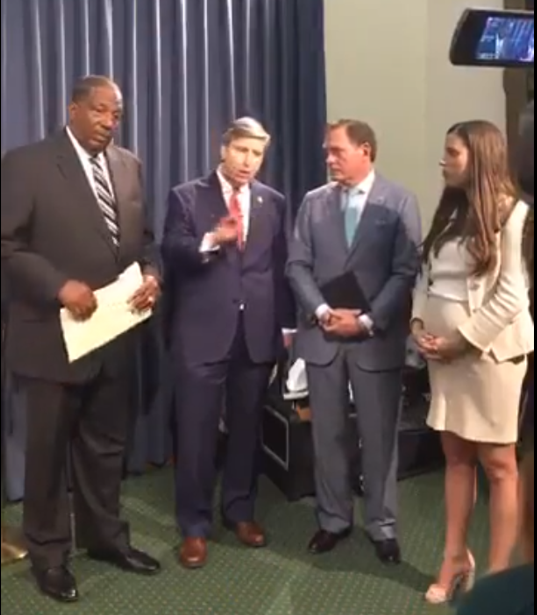
Senator Royce West, Representatives Tan Parker and John Zerwas and TexProtects CEO Sophie Phillips at our beginning-of-session press conference

As with every legislative session, it was a long and challenging 140 days, and we could not have done it without your help.

For our part, we provided 16 written and oral testimonies before legislative committees, registered support for 117 bills, and made 461 visits to the lawmakers’ offices.

That was bolstered by you: In response to the 12 advocacy alerts we sent out, you sent a total of 13,189 emails to lawmakers. Nothing gets a lawmaker to take action quicker than an email, call or office visit from the Texans they represent! Thank you!

Here’s our round-up of what happened with our top-priority bills:

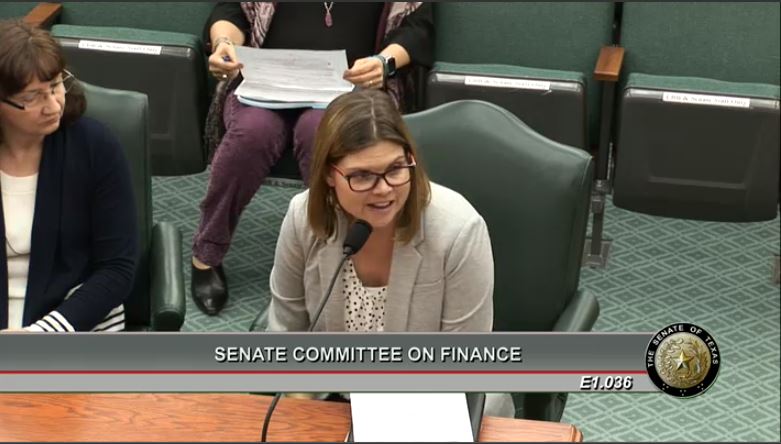
jennifer senate finance
Public Policy Director Jennifer Lucy testifying for additional state investments in home visiting

Priority: Strengthen investments in community-based, primary child abuse prevention programs for children in their most critical neurodevelopmental years

Result: $4.3 million more in funding for Nurse-Family Partnership (NFP) and HOPES (Healthy Outcomes through Prevention and Early Support)

Attaining and maintaining legislative support for evidence-based home visiting and other family support programs is at the core of TexProtects’ mission, and yet again, we were able to reach lawmakers and convince them of how crucial it is to increase state investments.

However, this was a mixed success. While investments did increase, they were not at a level that we believe will result in meaningful change statewide. The Department of Family and Protective Services requested an additional $15.5 million and TexProtects was even bolder, asking that investments be bumped up by $30.5 million between NFP and HOPES.

In the end, HOPES only received an additional $1.5 million and NFP got an extra $2.9 million. (Please note: TexProtects does not receive any of this funding. We are an independently funded nonprofit.)

This is actually better than it could have been. The Senate’s original budget proposal added only $2 million for NFP and $0 for HOPES. However, thanks to action you took in response to our advocacy alerts, the conference committee tasked with reconciling the differences between the House and Senate versions of the budget settled on the higher amounts.

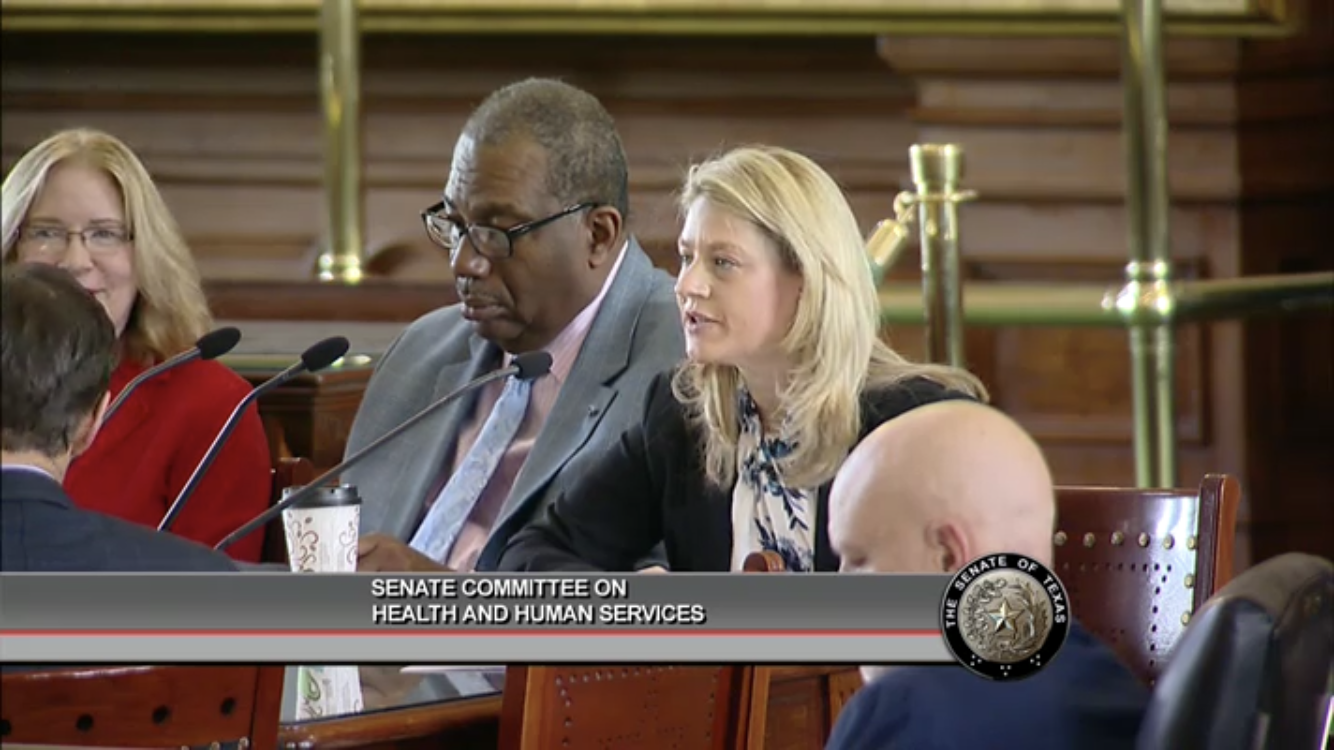
Pamela at Senate HHS 3-5-19
Vice President of Public Affairs Pamela McPeters testifying in support of SB 355, with bill author Sen. Royce West

Priority: Create a Texas strategy (via Senate Bill 355) to leverage funds from the federal Family First Prevention Services Act, thus improving coordination and effectiveness of services for children at risk of entering foster care

Result: Passage – sent to the Governor on May 26 UPDATE: will become law without Governor’s signature

When Congress passed (and the president signed into law) the Family First Prevention Services Act in 2018, it signaled a landmark shift in funding priorities for child protection. For the first time, states can take funds previously reserved only for foster care (in other words, after a family has fallen into a bad situation) and now invest them in prevention services (before a family reaches a crisis).

Although the DFPS could have begun leveraging Family First as early as September, the Department decided to hold off until September 2021. Family First places limits on what kinds of programs are eligible for funding and requires a written plan for implementation.

SB 355 authorizes the development of that strategy, and the delay will allow DFPS to build up the eligible programs.

Priority: Integrate trauma- and grief-informed practices into the school environment (via House Bill 18)

Result: Passage – sent to the Governor May 17 UPDATE: Signed by Governor Abbott, effective on December 1

HB 18 will institute training to educate school staff on the impact of trauma and empower them with practical tools to ensure that children who have a trauma history feel safe and connected at school and are able to engage productively in the classroom. Implementing trauma informed strategies can increase academic and behavioral outcomes for all students and minimize the likelihood that they will be dependent on state programs later in life. Thanks to lead author Rep. Four Price and Senate sponsor Kirk Watson for this proactive legislation.

Priority: Make available proper information to pregnant and parenting foster youth on providing safe environments for their children (via HB 475)

Result: Passage – sent to the Governor May 29 UPDATE: Signed by the Governor, effective on September 1

Foster youth who become or are about to become parents may have limited access to parenting education resources. Such a lack of information can perpetuate the cycle of child abuse and neglect. This bill directs DFPS to ensure that such youth receive information about safe sleeping arrangements, childproofing the home, methods to cope with challenging behaviors and similar parenting skills. Thanks to author Rep. Donna Howard and Senate sponsor Kirk Watson.

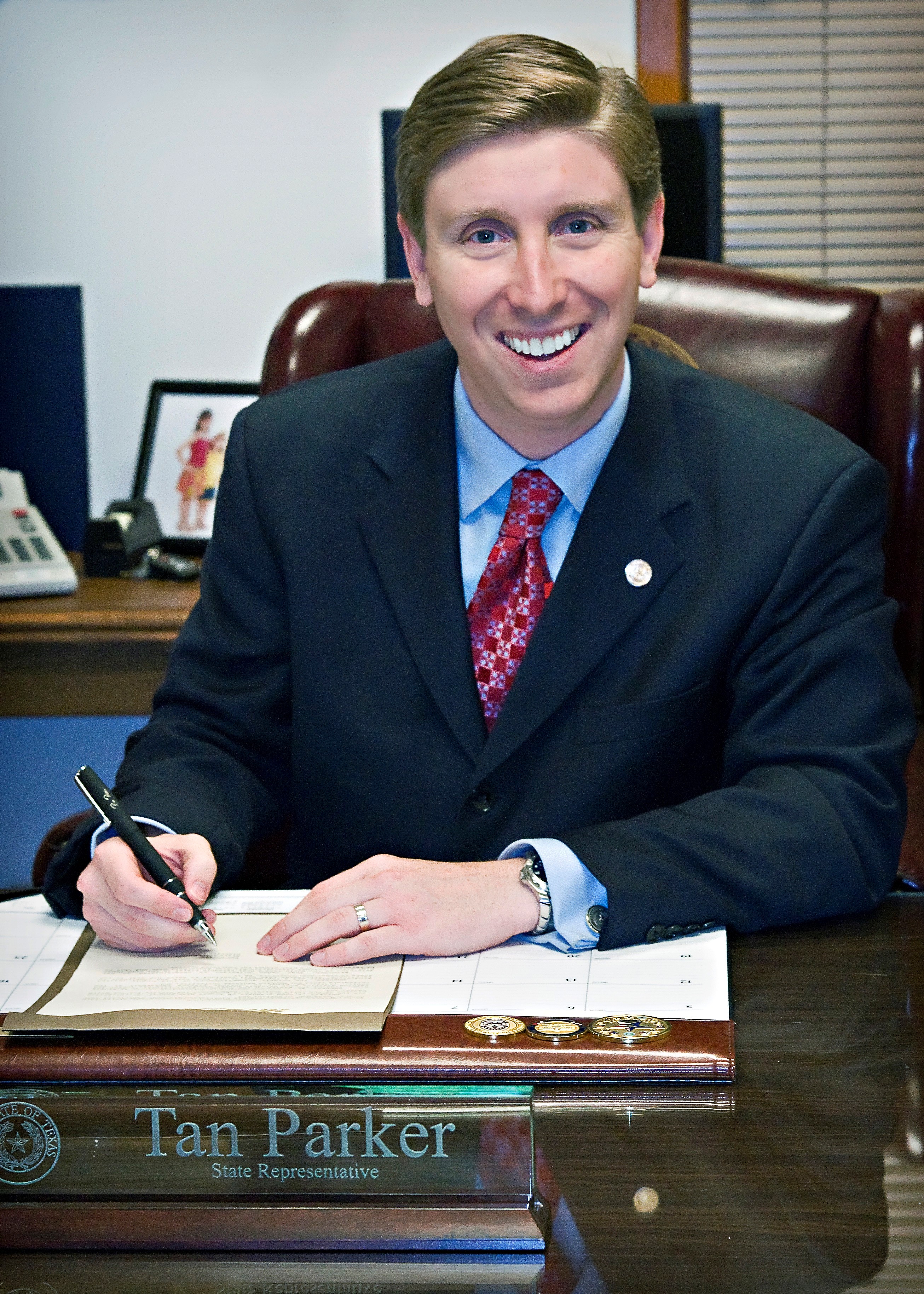
tan parker
HB 4183 author Rep. Tan Parker

Priority: Develop and implement a statewide strategic plan to address causes and symptoms of Adverse Childhood Experiences (ACEs), via House Bill 4183

Result: House passage, left pending in Senate Health and Human Services Committee

Increasing awareness of Adverse Childhood Experiences and the lifelong damage they can cause to both mental and physical health – as well as strategies to mitigate or prevent such damage, building resiliency in children and families – was a major priority for TexProtects this session.

We did accomplish that through a well-received press conference at the beginning of this session and in one-on-one interactions with legislators and their staff, but ultimately, we were unsuccessful in final passage of HB 4183, Rep. Tan Parker’s bill that would have implemented a cross-systems strategy for tackling ACEs.

Thanks especially to emails that you sent, HB 4183 enjoyed solid support in the House, passing on a 131-14 vote. However, once in the Senate, the bill became stuck in the Senate Health and Human Services Committee. While frustrating, it’s important to acknowledge a great truth about the Texas legislative system – it is designed to kill bills, not pass them, and there are numerous hurdles along the way.

It is not unusual for bold ideas, no matter how good they may be, to take multiple sessions before finally becoming law. We are grateful for the staggering amount of work that Rep. Parker put into crafting and shepherding this legislation through the House, and to Sen. Charles Perry for sponsoring it in the other chamber. This effort only strengthens our resolve to educate the public and lawmakers on the science of Adverse Childhood Experiences.

Thanks again for your support this session, and we look forward to hearing from you as we develop an agenda for the 87th Texas Legislature.

TexProtects applauds passage of SB 355 (re Family First Prevention Services Act)

FOR IMMEDIATE RELEASE
May 22, 2019
Contact: Lee Nichols
512-796-9877
[email protected]

Austin, Texas — Earlier today, the Texas House passed Senate Bill 355 by Sen. Royce West (sponsored in the House by Rep. Stephanie Klick). This bill directs the Department of Family and Protective Services to develop a strategic plan for the coordinated implementation of community-based care and foster care prevention services that meet the requirements of the federal Family First Prevention Services Act.

TexProtects (the Texas chapter of Prevent Child Abuse America) applauds the passage of this bill by both chambers, resulting in SB 355 being sent to Governor Greg Abbott to be signed into law. Statement from TexProtects Vice President of Public Affairs Pamela McPeters:

We applaud the House for swiftly passing this key piece of legislation and sending it to the governor. The Family First Prevention Services Act marked a major shift in federal spending priorities, allowing money that previously was reserved solely for foster care to now be invested in crucial prevention programs that keep children from ever being removed from their families in the first place – safely protected in their homes. Senate Bill 355 will allow the state to develop a Texas strategy to leverage and maximize these funds for services that empower families to be resilient and self-reliant. FFPSA is a landmark recognition that we must support families before tragedy can occur, not just after it happens.

The Perfect Mother’s Day Gift: Home Visiting

By Sophie Phillips, CEO, TexProtects

Six Mother’s Days have passed since I’ve been with TexProtects, the Texas chapter of Prevent Child Abuse America. All were meaningful, because mothers are central to our mission, but this one deepened my perspective – it’s my first as a mother.

In our efforts to prevent trauma from abuse and neglect, TexProtects promotes and builds effective policies and programs helping new mothers and families deal with the life-changing stresses that come with newborns and young children.

Now, through seemingly never-ending late-night feedings, cries you just can’t soothe and frantic internet searches looking for answers to unanticipated questions, I understand how crucial this is. This precious little gift is a great responsibility that would be difficult to handle alone.

I am fortunate and grateful to have my husband at my side every step of the way, family nearby, a supportive church, steady income and paid leave, and good health during my life’s most meaningful and joyful, yet challenging experience. I spent years meticulously planning for this moment, including a wealth of knowledge gleaned from my career.

I thought I was prepared.

These first weeks of my baby’s life have shown me how fortunate I am. The resources and supports shown to me during this transition are not something I take for granted, because I know there are many new mothers across Texas in very different circumstances.

Some are very young. Many are alone – maybe kicked out of their homes or fleeing from an abusive situation. Some are struggling with postpartum depression or mental illness or fighting their way out of addiction. They may lack confidence, parenting knowledge, or reliable relationships to help, especially if their own parents abused or neglected them.

Abuse and neglect are cyclical. These mothers’ situations do not predetermine that their children will be abused or neglected – but they dramatically raise the odds. Helping these mothers is key to breaking that cycle.

One of the best ways to do this is through evidence-based home visiting programs. These are nonprofit programs in the community, in which a family with newborns or young children can invite a nurse, social worker or other trained professional into the home to provide support and make referrals when needed.

Home visiting has proven benefits: fewer pregnancy complications; reduced incidences of domestic violence, child maltreatment, and interaction with the judicial system; better educational and health outcomes (both for the parent and child); and a greater likelihood that the parent(s) will become or remain employed. In other words – stronger, more resilient, self-sufficient families.

The programs have another beneficiary – taxpayers. Helping these families avoid tragic situations and stay out of the Child Protective Services and foster care systems relieves pressure on the emergency services, judicial, health, and education systems.

In the current Texas Legislative session, which ends May 27, the competing House and Senate versions of the proposed Fiscal Years 2020-21 budget both have very modest increases in state investments in home visiting – but not nearly enough to substantially increase the number of families served.

Of 423,000 Texas families we estimate could benefit from home visiting, having young children with multiple risk factors, Texas currently can serve only about 15,000.

The actual need is much greater. On paper I may not look like I need home visiting, but following my son’s birth, I most certainly did. All new mothers could use some help.

With the $30.5 million legislative investment increase requested by TexProtects, we could help another 3,600 families. Home visiting programs have demonstrated returns ranging from $1.26 to $8.08 per dollar invested – failure to reach those families means lives lost and tax savings missed.

Please urge lawmakers negotiating the final budget bill to substantially increase home visiting investments. Mother’s Day shouldn’t be a reminder of traumatic childhoods or maternal inadequacies. Help us cement Mother’s Day as a celebration of strong families and abundant love for our children.

Sophie Phillips is CEO of TexProtects – Champions for Safe Children. www.texprotects.org.

This op-ed was published May 10 in the San Antonio Express-News.

Learn more:

Information about Home Visiting

TexProtects’ Agenda for the 86th Texas Legislature

Reasons I’m HOPEful…

Why are you hopeful for Texas children and families? That’s the question we’re asking as we launch our #TexProtectsHOPEful social media campaign during Child Abuse Prevention Month – and continuing well beyond April! This campaign celebrates the efforts of good people all over the state working to prevent and protect children from abuse and neglect!

We got a great answer from Michelle Heflin of Buckner International, the nonprofit that administers the Project HOPES program in Gregg, Upshur and Harrison Counties. So great, in fact, that it deserves more than just a Tweet, so we present it here as a full blog post. Enjoy!

In July 2014, I welcomed my first child into the world and quickly realized that for the past 10 years of my professional career in social services I may have been giving impractical parenting advice to parents and foster parents. It was not intentional, but when you’re in the parenting trenches and the 2am wake-up cry has you sleep-deprived, you quickly learn it’s a whole other ball game – theory versus practice.

Shortly after my initiation into motherhood, the nonprofit I work for, Buckner International (www.Buckner.org), was awarded the Project HOPES contract in September 2014 for the Texas counties of Gregg, Upshur and Harrison from the Prevention and Early Intervention Division of the Department of Family and Protective Services. We selected the Parents as Teachers home visiting (0-5 yrs.) program, which focuses on parents being the first teacher of the child through developmental milestones and school readiness.

Through the program, I found that the information delivered to families really pertained to being a new parent and parents confirmed their feeling of support by having a plan for those 2am wake-up cries. Accurate information about child development and appropriate expectations for children’s behavior at every age helps parents see their children in a positive light and promote their healthy development.

Why is parent education so important for the prevention of child abuse or maltreatment? Because having (1) Knowledge of Parenting and Child Development is just one of the Five Protective Factors within families.

The other Protective Factors include:

(2) Parental Resilience – No one can eliminate stress from parenting, but a parent’s capacity for resilience can affect how a parent deals with stress.

(3) Social Connections – Networks of support are essential to parents and also offer opportunities for people to “give back,” an important part of self-esteem as well as a benefit for the community.

(4) Concrete Support in Time of Need – Meeting basic economic needs like food, shelter, clothing and health care is essential for families to thrive.

(5) Social and Emotional Competence of Children – Challenging behaviors or delayed development create extra stress for families, so early identification and assistance for both parents and children can head off negative results and keep development on track.

There is a correlation between low Protective Factors within families and the prevalence of child abuse or neglect. If we are going to prevent or lower the child abuse rates in our communities and therefore potentially decreasing the need for children to be removed from their home, this is the key.

I’m hopeful for the children in our community because parents that engage with Buckner Project HOPES (www.Buckner.org/Project-HOPES) to increase Protective Factors have also taken on tasks of reaching goals within their family. Goals like obtaining an associate’s degree then moving onto a bachelor’s degree, securing more stable housing, moving from underemployment to a living wage and feeling better prepared to parent.

It has been my observation that many of these goals are accomplished because they first felt successful as a parent! When families are strengthened and are mutually responsible for better outcomes for their children, that is the essence of the meaning of our slogan at Buckner International: “Hope shines here.”®

For more information on Project HOPES, click here.

Tell us in the comments – why are you #TexProtectsHOPEful?

86th Texas Legislature Update: Mid-April

The 86th Texas Legislature is almost two-thirds complete. Here is the status of the major bills TexProtects is supporting:

The Fiscal Years 2020-21 Budget (House Bill 1)

Our major goal for the 86th Legislature is to secure increased investments in family support home visiting programs – specifically an additional $12 million for Nurse-Family Partnership (NFP) and $18.5 for the HOPES (Healthy Outcomes through Prevention and Early Support) program. The majority of child maltreatment occurs in the most formative years for children and 75% of child abuse fatalities over the past five years were children under age 3. Texas needs these most proven and effective programs for reducing child maltreatment for children between the ages of 0-5. Currently both the House and Senate versions of the budget fall short of those goals.

Prevention

For Nurse Family Partnership, the Senate included an additional $2 million dollars. The House, thanks in large part to the efforts of Representatives Button and Meyer, added $5.8 million dollars to NFP. For Project HOPES, however, the House only included $1.5 million new dollars and the Senate didn’t appropriate any. The differences between the two versions will have to be ironed out in a conference committee between the two chambers. House conferees are Reps. John Zerwas, Greg Bonnen, Sarah Davis, Oscar Longoria and Armando Walle; Senate conferees will soon be appointed.

TexProtects will monitor negotiations between the House and Senate and will advocate for larger investments (thus reaching more families who would benefit) in the final budget.

Child Protective Services

Overall, the House version of the 2020-2021 biennial budget includes $3.9 billion (an increase of $311.8 million from 2018-2019) in Child Protective Services funding, while the Senate version includes $3.8 billion (an increase of $271.7 million from 2018-2019).

Included in these amounts is $2 billion in the House version and $1.9 billion in the Senate version for client services programs, including foster care, adoption subsidies, permanency care assistance payments, relative caregiver monetary assistance payments, and day care. The House appropriated funds for rate increases for certain foster care providers. Both the House and Senate included $1.6 billion for CPS direct-delivery staff, including services provided through Community-Based Care. This amount includes increased funding to maintain lower caseloads for most caseworkers – the House version would reduce caseloads for conservatorship caseworkers, and the Senate version would reduce caseloads for conservatorship, kinship, foster and adoptive developmental home (FAD) and residential child care investigators. The House version expands Community-Based Care into two new regions and into stage 2, which includes case management, in Region 3B. The Senate version expands Community-Based Care into two new regions and into stage 2 in Regions 3B, 2, and 8A.

Behavioral Health Services

The House appropriated $4.1 billion (an increase of $665.4 million) while the Senate included $3.1 billion (a decrease of $275.9 million) for behavioral health services at the three health and human services agencies, which includes funding for community mental health services; mental health services for veterans; inpatient mental health services at state-owned and community hospitals; and substance abuse prevention, intervention, and treatment services.

Early Childhood Intervention (ECI)

Finally, funding for Early Childhood Intervention services totals $372.8 million (an increase of $83.4 million) in the House version for the 2020–21 biennium. The Senate appropriated $313.1 million for ECI services, representing an increase of $23.7 million.

Non-Budget Bills

HB 3718 (Rep. Tan Parker with Reps. Zerwas, Huberty, Miller, and Senfronia Thompson): This bill would require school districts and open-enrollment charter schools to implement a trauma-informed care policy (including staff training) and incorporates trauma-informed training into the existing continuing education hours teachers complete each five years. This bill is part of TexProtects’ call for a statewide strategy to mitigate and prevent trauma from Adverse Childhood Experiences and other sources of trauma. On April 11, HB 3718 was reported favorably from the House Public Education Committee, and now, it should head to the full House for a vote.

HB 4183 (Rep. Tan Parker with Reps. Zerwas, Miller, Sanford and Senfronia Thompson): This bill is key to our Adverse Childhood Experiences campaign, requiring multiple state agencies across the child protection, justice, education and health care systems to create a statewide strategy for preventing and mitigating ACEs. Testimony on HB 4183 was heard in the House Public Health Committee on April 3 and was voted out favorably on April 15.  We look forward to a House vote on the bill soon.

Senate Bill 355 (Sen. Royce West with Sens. Kolkhorst, Lucio and Menéndez): SB 355 tasks DFPS with creating a strategic plan to maximize prevention funds available through the Federal Family First Prevention Services Act. Family First marks a key shift in federal policy, allowing money that was previously reserved strictly for foster care (in other words, after a tragedy has occurred) to be directed toward programs designed to prevent children from ever needing foster care (before tragedy occurs). Funds can be used for evidence-based substance use prevention and treatment, mental health care, and in-home parenting programs to strengthen families so that children can remain safely at home. SB 355 passed the Senate on March 20 and is currently in the House Human Services Committee.

HB 12 (Rep. Sarah Davis): This bill strengthens the Early Childhood Intervention Program by streamlining processes to receive services, requiring health benefit plans to cover services, creating a tele-health pilot to increase access, and requiring the ombudsman office to collect data on complaints and make recommendations on how to improve the provision of services. HB 12 received a hearing in the House Human Services Committee on April 9 and was left pending in committee.

HB 18 (Rep. Four Price and others): In response to ongoing concerns with school safety as well as recommendations from the House Select Committee on Mental Health, HB 18 provides students and educators with training and resources on mental health and substance use. Included in this very comprehensive bill is language that would ensure that trauma-informed practices are integrated into school environments and included in teachers’ continuing education. HB 18 has made it through the House and is on its way to the Senate.

HB 474 (Rep. Donna Howard): HB 474 will expand the data that is available as part of the  foster care needs assessment to better understand where there are service gaps affecting pregnant and parenting foster youth. In addition to collecting information on prenatal, postpartum, or parenting supports for youth, it also collects information on placements that will be reimbursable under the Family First Prevention Services Act, including: licensed residential family-specialized substance use treatment facilities; qualified residential treatment programs; supervised independent living; and settings specializing in serving survivors of human trafficking. HB 474 will be considered by the House Human Services committee this week.

HB 475 (Rep. Donna Howard): Ensures pregnant and parenting youth in care receive basic parenting education and services that will help strengthen and preserve their young families. HB 475 specifically will make available to these youth information on: safe sleeping arrangements; recommendations for safety childproofing their home; methods to manage crying infants; the selection of appropriate substitute caregivers; early brain development; the importance of meeting an infant’s developmental needs by providing positive experiences and avoiding adverse experiences; the importance of paternal involvement; the benefits of reading and talking to young children; and the impact of perinatal mood disorders. HB 475 will be considered by the House Human Services committee this week.

HB 1110 (Rep. Sarah Davis): This bill expands Medicaid coverage for pregnant women from 60 days after the birth of a child to 12 months after delivery. This ensures that new mothers have access to critical health care in the postpartum period to increase health outcomes for moms and children. HB 1110 received a hearing in the House Human Services Committee on April 9 and was left pending in committee.

HB 2030 (Rep. John Turner): This bill provides that if a child is eligible for pre-K at 3 years old, they remain eligible at 4 years old. The House Public Education Committee passed a committee substitute version of the bill and reported it favorably to the full House.

HB 2832 (Rep. Dade Phelan): This bill requires the Health and Human Services Commission to work with the Department of Family and Protective Services to promote and track referrals to Nurse-Family Partnership programs. HB 2832 received a hearing in the House Human Services Committee on April 2 and was left pending in committee.

SB 708 (Sen. Judith Zaffirini with Sen. Campbell)This bill ensures that HHSC and other stakeholders have access to critical data on child safety. This bill directs the commission to collect data on caregiver-child ratios and group size standards as well as serious violations and injuries. This information will allow leaders to better understand if state minimum standards are sufficient to ensure that enrolled children are being cared for in supportive and safe environments. HB 708 received a hearing on April 16 and was left pending.

The 86th Texas Legislature is heating up

The Texas Legislature has a rule: Bills may not be considered for floor debate in either the House or Senate during the first 60 days of the 140-day session unless designated an emergency by the Governor. This allows members to spend adequate time in committee meetings vetting them.

That 60 days is up! We have reached the second half of the session and we can expect things to start moving quickly now – in fact, some of bills are already rolling along, and we could use your help with a key budget request.

  • Our key budget request – $30.5 million to expand evidence-based home visiting programs to reach an additional 3,600 families – is thus far not reflected in the budget bill. At the moment, an expansion of only $5.2 million is included in the House version. Fortunately, it is still early in the budgeting process and we will continue advocating for a much larger investment. We encourage you to do so as well by reaching out to Senate Finance Committee members. Key senators working on health and human services budget decisions include: Chair Lois Kolkhorst, Kirk Watson, Donna Campbell and Pete Flores. (For a deeper look at our budget requests, read here.)


  • Senate Bill 355 by Sen. Royce West, another of our top-priority bills, was passed unanimously by the Senate last week! SB 355 would lay out a Texas plan for implementation of the federal Family First Prevention Services Act, a landmark bill that will direct more federal dollars toward keeping children out of foster care. When SB 355 was in committee, TexProtects Vice President of Public Affairs Pamela McPeters testified in favor of it. Now the bill goes to the House.


  • House Bill 3718 by Rep. Tan Parker, which would require public schools to develop and implement a trauma-informed care policy, is scheduled for a hearing on Tuesday (March 26) in the House Public Education Committee.


  • House Bill 123, by multiple authors, made it out of the House Human Services Committee and has been placed on the General State Calendar for Monday, March 25. This bill will make it easier for foster children to obtain forms of state identification that are crucial for youth aging out of care.


  • Our Public Policy Director Jennifer Lucy spoke in support of House Bill 18, which would ensure teachers, principals and counselors are equipped with evidence-informed training on how trauma affects our students and then how to respond in ways that will de-escalate stressed responses, avoid retraumatizing our students, and create an environment of safety. The trainings also help school staff understand which students may need opportunities to access resources outside of the school setting. This supports our efforts to highlight the role of Adverse Childhood Experiences in lifetime health.


  • Speaking of Adverse Childhood Experiences, the bill number for Rep. Tan Parker’s legislation to study a cross-systems plan to prevent and address such experiences has been updated. In our previous communications we identified it as House Bill 822. However, after making revisions, Rep. Parker decided to reintroduce it as a new bill: HB 4183. Passage of this bill is one of TexProtects’ major goals of the 86th Legislative Session.

To get status updates on the many bills we are following or supporting this session, bookmark our Bill Tracker.

2018 Child Abuse Data Shows Deaths on the Rise

This past week, the Texas Department of Family and Protective Services made two important releases: An update of Fiscal Year 2018 Data Book information and its Child Maltreatment Fatalities and Near Fatalities Annual Report.

Below are some of the most significant numbers and trends that will be useful to you as a child protection advocate.

DFPS Data Book Trends (Fiscal Year 2018)

Between FY 2017 and 2018 in Texas:

  • The number of child abuse victims increased to 66,352 in 2018 from 63,657 in 2017. Nearly 42% of the victims were under the age of 3.
  • The number of children removed from their biological homes increased by 9.7%.
  • There were increases in the number of children placed in foster care (1.48%) and emergency shelters (4.13%), but more children also being placed in kinship care (4.06%).
  • There were increases in children entering care with higher levels of need: psychiatric (17%), intensive (17.4%), specialized (6.83%).
  • The number of families that entered Family Based Safety Services decreased by 19.8%.

Long-term trends:

  • Children entering foster care increased about 5% on average each year in the past decade.

DFPS Child Fatality Report

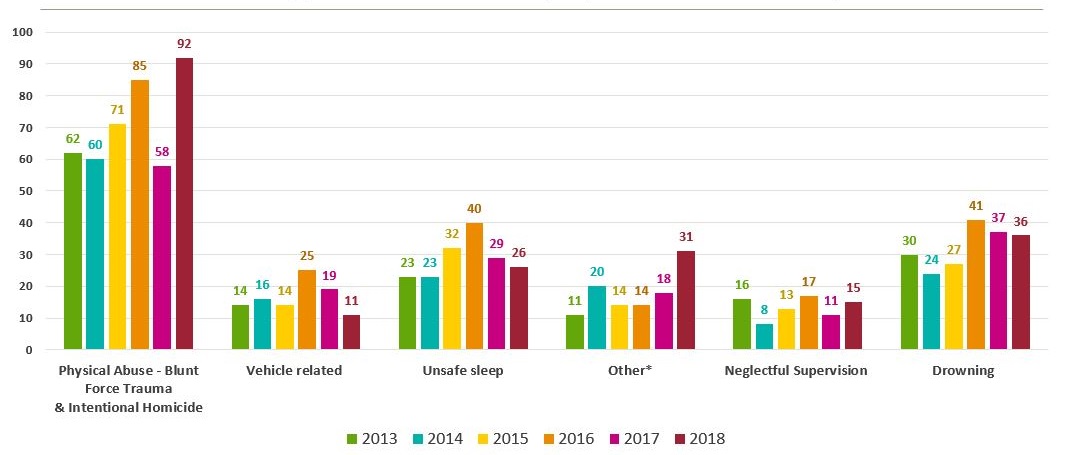
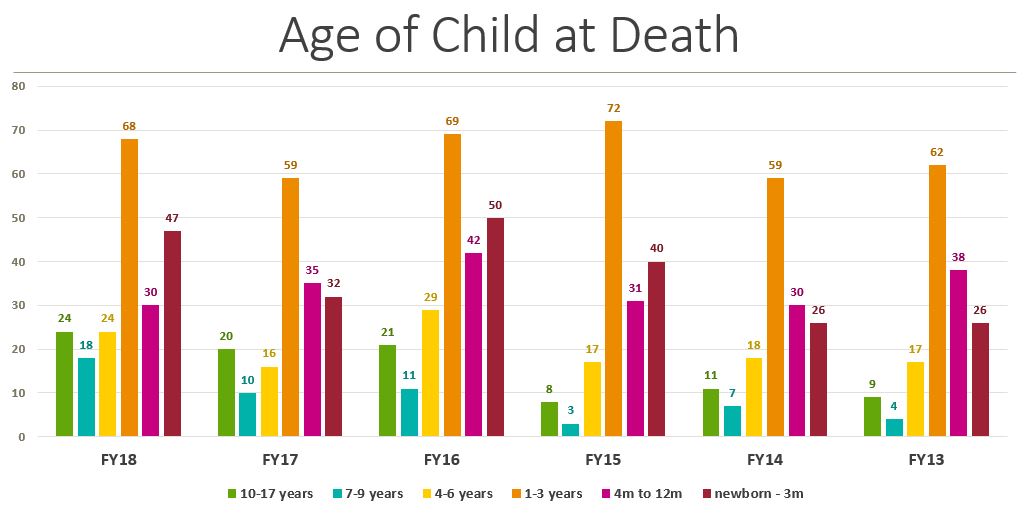
  • Texas had 211 confirmed child abuse and neglect-related fatalities in FY2018, an increase of 22.7% compared to FY2017 (172). 36% of the victims were infants and 69% were under the age of three.
  • The increase in child maltreatment fatalities in FY2018 is predominantly due to physical abuse fatalities which grew by 58% over FY2017.
  • In FY2018, Texas had 82 confirmed abuse and neglect-related near-fatalities, a decrease of 11.8% compared to FY2017.
  • The largest decrease was in non-fatal drownings, which dropped 33.3% compared to FY2017.
  • Vehicle-related deaths continue to decline and did so by 42% in FY2018. Examples of vehicle-related deaths include a child left in a hot car, a child unsupervised and struck by a vehicle, and a child riding in a car where the parent or caregiver driving was intoxicated or under the influence.
  • From FY2017 to FY2018 there was a 25% increase in child fatalities caused by abuse or neglect involving a parent or caregiver actively using a substance and/or under the influence of at least one substance that affected the ability to care for the child.
  • Abusive head trauma accounted for 45.1% of the total number of near-fatalities.

causes

Obviously, the increase in fatalities deeply troubles us, especially after the attention lawmakers paid to child maltreatment in the 2017 legislative session.

The 2017 session must not be viewed as an end point in the struggle against child maltreatment, but rather as a beginning. There are still profound challenges ahead in the ongoing 2019 session.

While the focus two years ago was heavily on Child Protective Services and foster care – the systems that pick up the pieces after tragedy has occurred – this session there needs to be an even greater emphasis on strengthening families before a crisis can happen.

age at death

The increase in fatalities are alarming and a call to action for greater emphasis on prevention and early intervention, especially at the youngest ages.

A combination of numbers that stands out to us:

  • Unlike fatalities that occurred the previous year, in 2018 the majority of fatalities due to abuse and/or neglect included families with no prior CPS history.
  • Additionally, the number of fatalities occurring from newborn to age 3 is on the rise, and so are the deaths caused by blunt force trauma – and those youngest ages are when children are most vulnerable to such violence, including abusive head trauma.

These are ages when new families can be under the most stress and have the least understanding of early childhood development – and the ages at which most home visiting (prevention) programs are targeted. If we can reach more of these families with home visiting and other parent education and tools, we can avert such tragic incidents.

To this end, these are TexProtects’ top priorities at the Capitol this spring:

  • Strengthening investments in community-based, primary child abuse prevention programs – specifically, a combined increase of $30.5 million toward Nurse-Family Partnership and the HOPES (Healthy Outcomes through Prevention and Early Support) Program to reach 3,600 additional eligible families
  • Developing a Texas plan to implement the provisions of the federal Family First Prevention Services Act, which would shift state investments toward services and resources that keep children out of foster care (Senate Bill 355)
  • Developing and implementing a statewide, strategic public health approach to address causes and symptoms of Adverse Childhood Experiences (House Bill 4183)
  • Implementing trauma-informed care training and policies in public schools (House Bill 3718)

TexProtects will continue to be at the Capitol, making the case for prevention to lawmakers every day, meeting them in their offices, providing them with research, and testifying in committees. Thank you for the support you’ve provided to our mission, including the emails you’ve sent to legislators this session. Check your inbox for future advocacy opportunities!